The characteristics of ABS signage are primarily reflected in its material properties and application advantages. The following analysis, combined with search results, provides the following:
1. Material Properties Determine Signage Performance
High Impact Resistance: ABS is a copolymer of acrylonitrile (A), butadiene (B), and styrene (S). The butadiene imparts excellent toughness and impact resistance, making it suitable for signs requiring resistance to drops and collisions (such as outdoor equipment signs).
Weather and Chemical Resistance: Acrylonitrile provides oil and chemical resistance, making it suitable for industrial environments (such as chemical plant signs). However, it has poor UV resistance and is prone to discoloration with prolonged exposure, requiring the addition of an anti-aging agent or a protective coating.
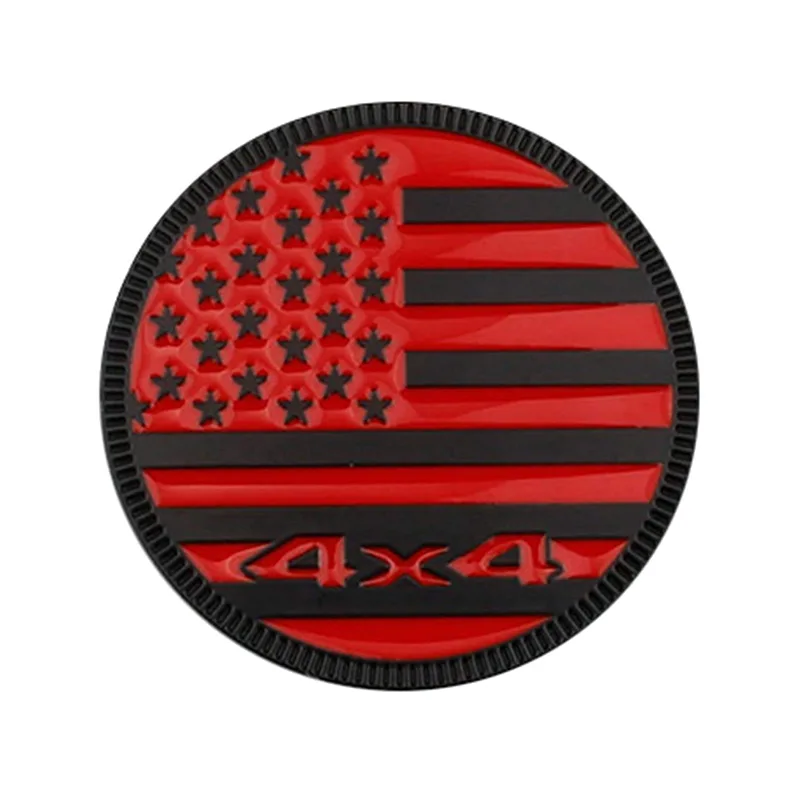
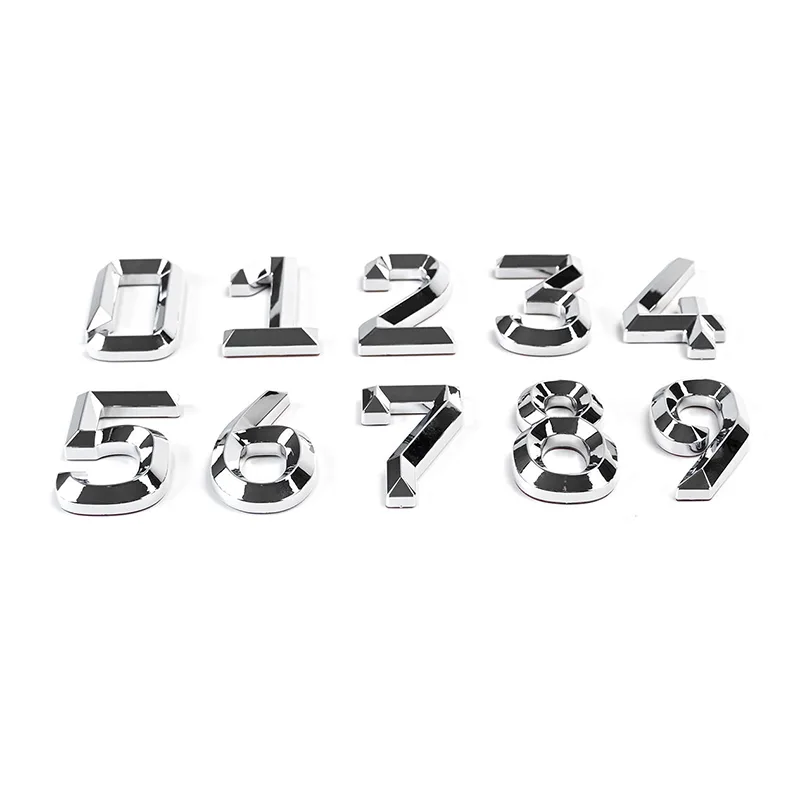
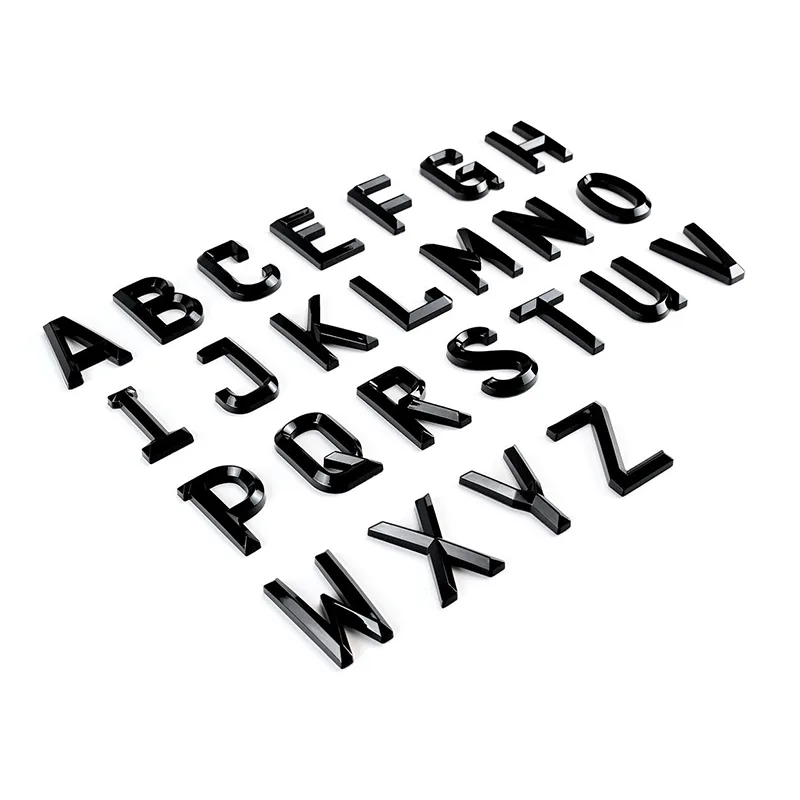
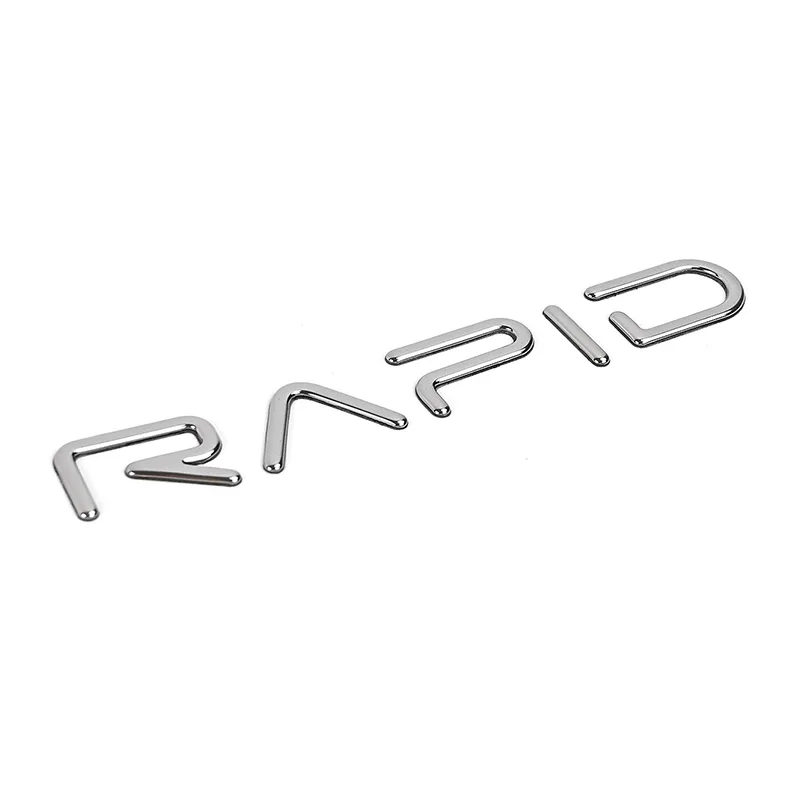
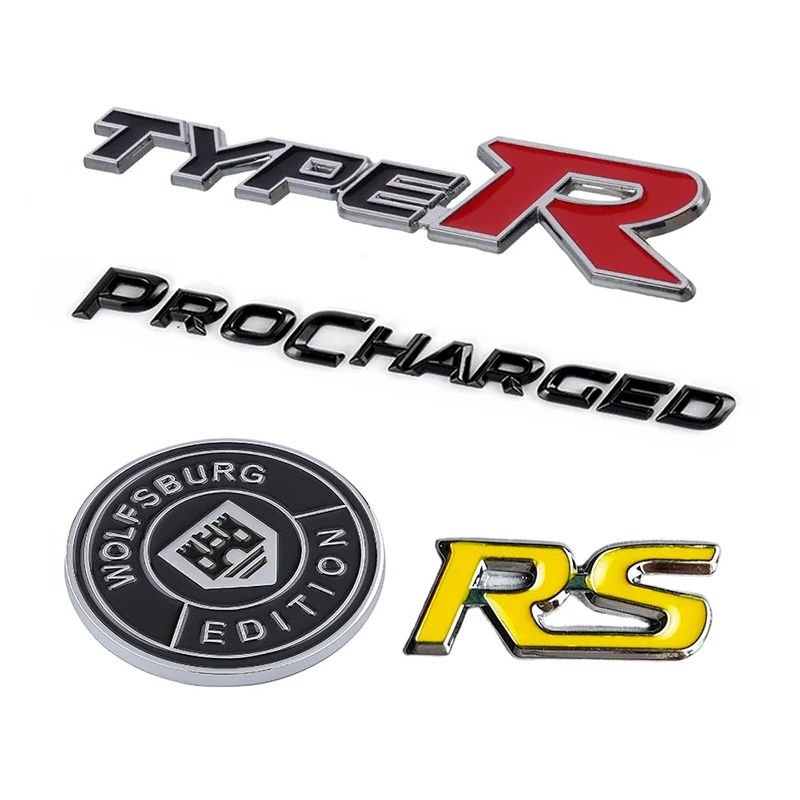
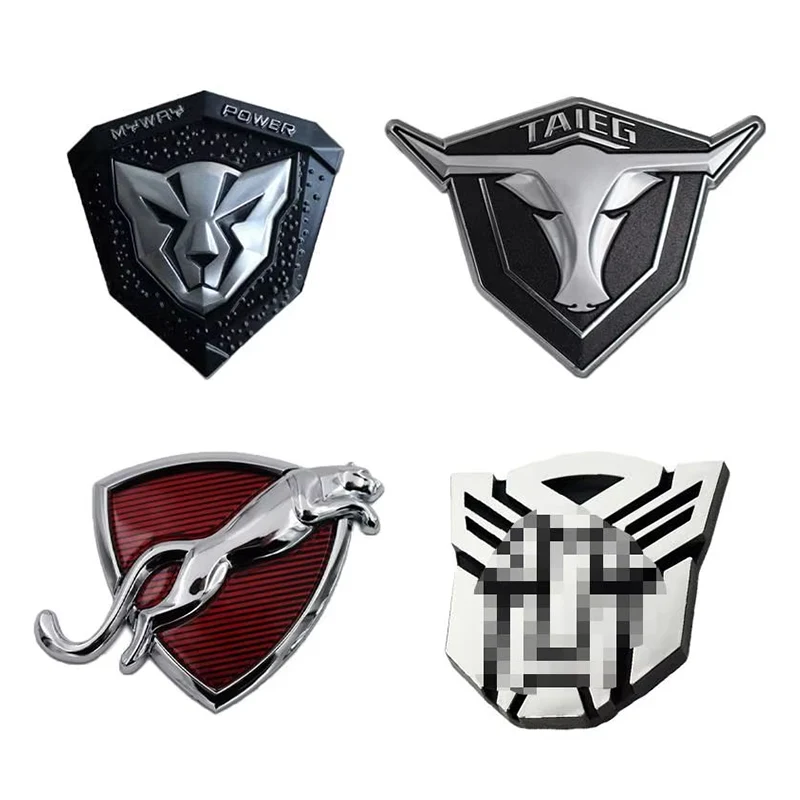
Processing and Surface Treatment Advantages: The styrene component makes ABS easy to process and produces a high surface gloss, making it suitable for processes such as silk-screen printing and spray painting. The resulting signs are vibrant in color and have strong adhesion. It can be electroplated and welded, making it suitable for metallic signs (such as car signs).
2. Application Compatibility
Industrial and Automotive: Its low-temperature resistance (-40°C) makes it suitable for signs on refrigerated equipment. Automotive component signs (such as steering wheels and lampshades) require both heat resistance (deformation temperature 93-118°C) and aesthetics.
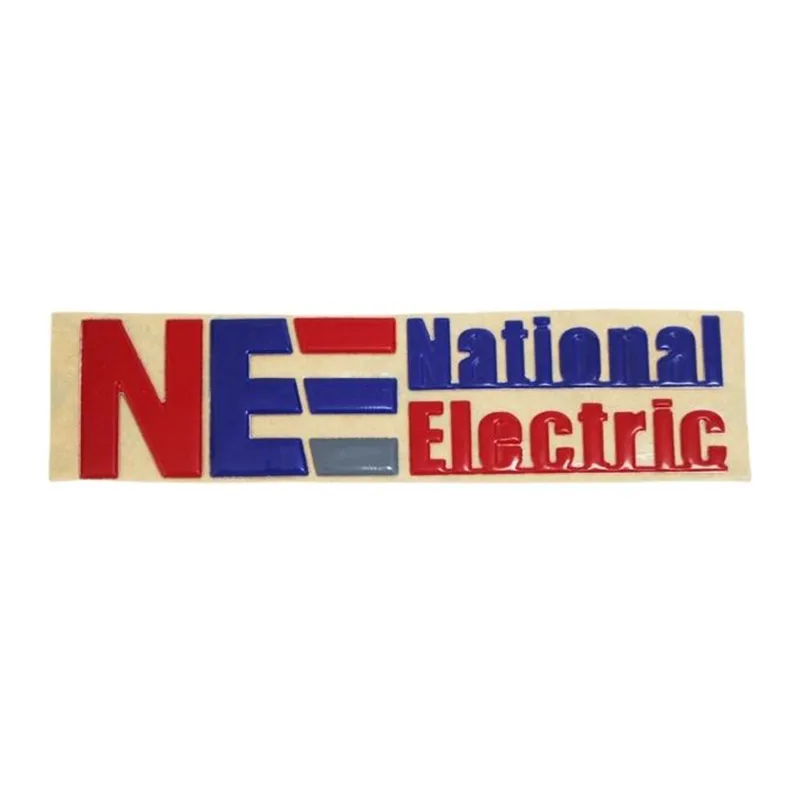
Electronic and Public Facilities: Its excellent electrical insulation makes it suitable for electrical safety signs (such as warning signs for high-voltage equipment). Its high dimensional stability prevents deformation on precision instrument signs.
3. Comparison of Signage Characteristics with Other Materials
Compared with Acrylic: ABS is tougher but has lower light transmittance, making it more suitable for translucent signs such as light boxes.
Compared with Ordinary Plastics: ABS offers superior overall performance (such as strength and heat resistance), but is more expensive.
4. Precautions
Environmental Restrictions: Avoid long-term exposure to UV rays or high temperatures. Weather resistance may require additives or coatings.
Color Options: Typically available in beige, black, and transparent, the color palette is less diverse than that of acrylic.
We use cookies to offer you a better browsing experience, analyze site traffic and personalize content. By using this site, you agree to our use of cookies. Privacy Policy