Acrylic signage (acrylic signs/logoboards) is widely used in various fields due to its high transparency, weather resistance, and easy processing. The following are key applications and specific examples:
1. Advertising and Commercial Displays
Light Boxes and Signs: Acrylic light boxes have a light transmittance of up to 93%, are vibrantly colored, and are impact-resistant, making them widely used in shopping malls and storefronts.
Guide Systems: Signage in shopping malls, hospitals, and scenic spots (such as department signs and floor guides) often utilizes UV-printed acrylic, offering clarity and durability.
Display Racks and Display Cabinets: Lightweight and highly malleable, they are suitable for merchandise displays and art booths.
2. Architecture and Public Spaces
Indoor and Outdoor Decoration: Used in partitions, skylights, curtain walls, and other applications, they combine light transmission with a sense of design.
Public Signage: Signs for subway stations and tourist attractions require weather-resistant acrylic.
3. Healthcare and Education
Medical Signage: Hospital department signs and clinic door signs need to be easy to clean and corrosion-resistant, and acrylic is a common choice.
Educational Signage: School wayfinding systems, laboratory signage, etc., require both safety and aesthetics.
4. Industry and Transportation
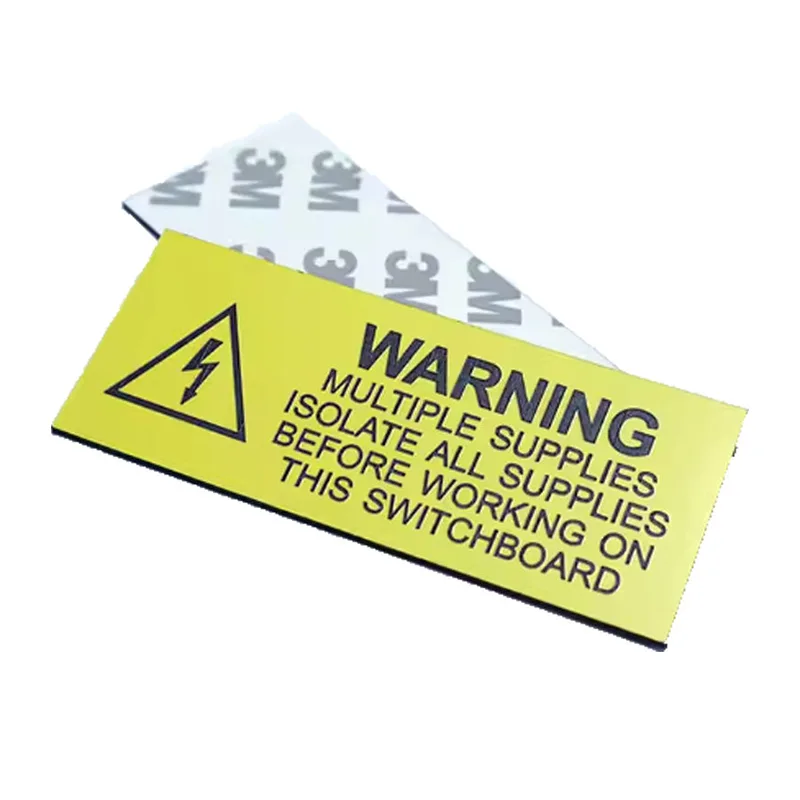
Equipment Signage: Instrument panels and mechanical signs require corrosion resistance and high transparency.
Vehicles of Transportation: Car windows and airplane cabin signs utilize their impact resistance.
5. Home and Art
Home Decor: For applications such as photo frames, ornaments, and aquariums, acrylic is lightweight and offers a rich variety of colors.
Art Installations: Modern art sculptures and interactive installations often use acrylic as a base material.
6. Special Applications
Outdoor Advertising: Choose acrylic with UV-resistant treatment to prevent aging due to long-term exposure to sunlight.
Customized Needs: For applications such as corporate logo walls and temporary event signage, acrylic can be quickly processed and formed.
Acrylic signs have a wide range of applications, and the specific material selection needs to be considered in combination with the use environment (such as weather resistance for outdoor use), design requirements (such as light transmittance) and cost.
We use cookies to offer you a better browsing experience, analyze site traffic and personalize content. By using this site, you agree to our use of cookies. Privacy Policy